

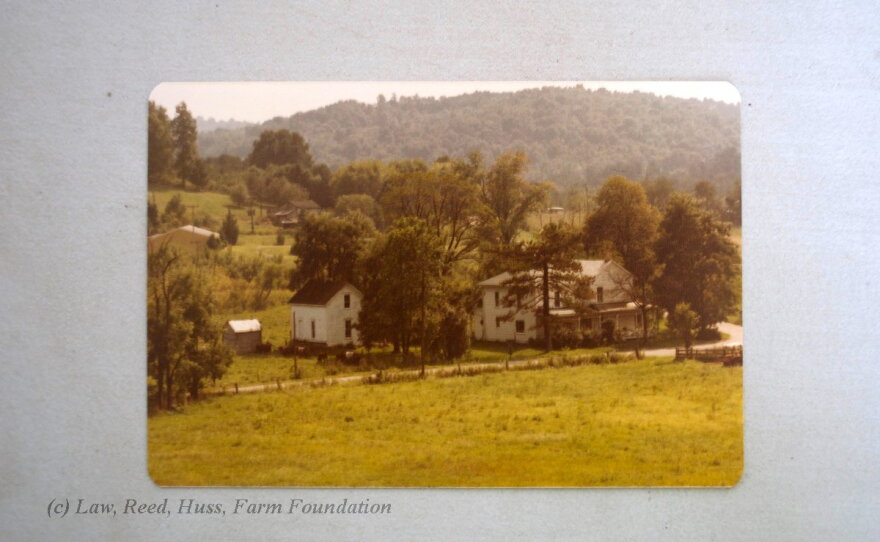
When Bill Huss was a little kid, he remembers visiting his grandparents’ farm in eastern Ohio for a few sunbaked weeks every summer.
He rode horses, played alongside sheep and once chased the mean rooster with a broom.
“I grew up basically in the suburbs of Baltimore and so I had a chance to actually experience the farm life a little bit,” he said.

But the property’s history goes back way further than Huss’s childhood in the ‘50s and ‘60s. His mom grew up at the farm.
“And then my grandparents, great-grandparents, and great-great-grandparents all lived there,” Huss said.
Henry Law, Huss’s great-great-grandfather, first came to eastern Ohio from northern Ireland in the 1820s. Years later, he moved to the region permanently, built a home and started a farm.
And generation after generation, his family stuck around.
Now, two centuries later, they’re turning the historic property into a museum. Recently recognized with Harrison County’s fourth Ohio Historical Marker, its exhibits showcase how life in Ohio has evolved since shortly after the state’s inception.
A tour of the historic farmhouse
In the master bedroom, a handmade quilt adorns the bed and a bookshelf sighs under the weight of faded National Geographic magazines and dusty novels.

“This is my favorite part of the whole house,” said Rebecca Carr, associate director of the Henry Law Historic District and the Law Reed Huss Farm Foundation.
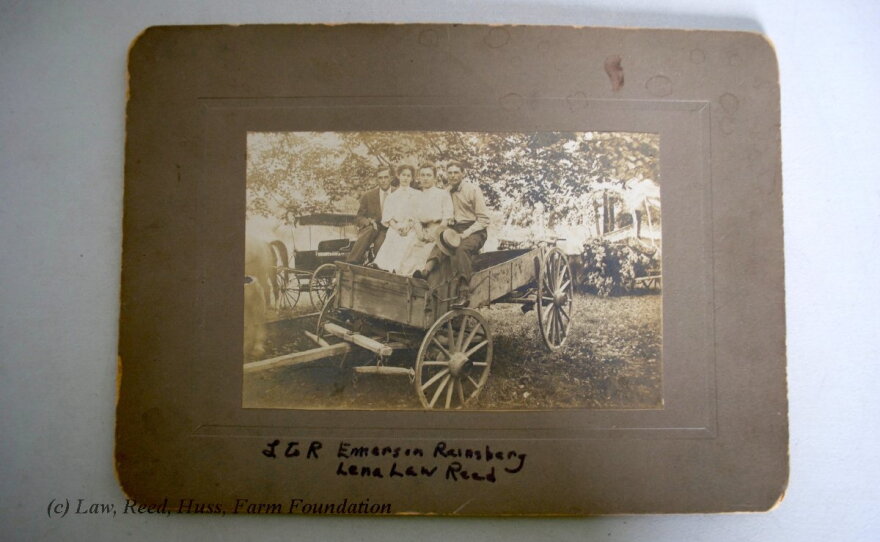
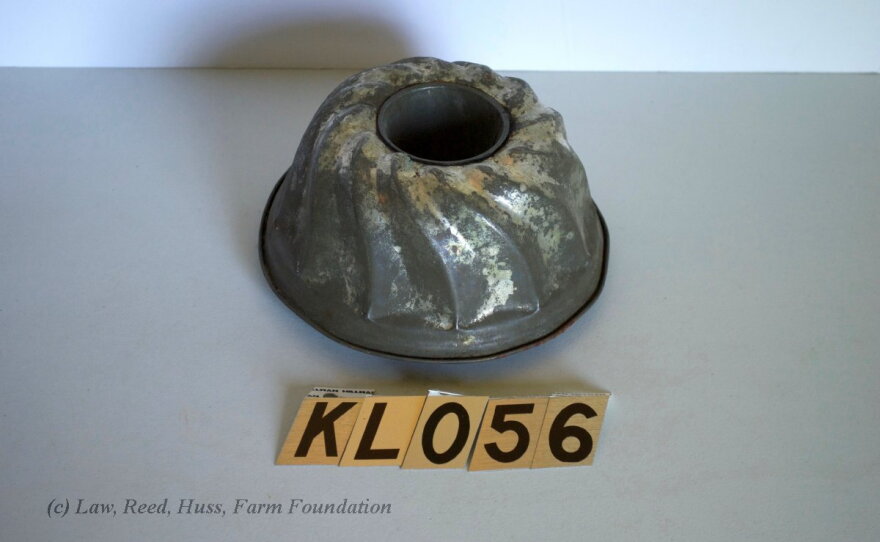
Downstairs, black and white family photos line the walls. And in every corner, there’s a Singer sewing machine or a phonograph, a collection of glass medicinal bottles or rusty kitchen tools.
The displays continue in the tool shed outside.
“We have a whole array of vacuum cleaners, since they were invented, basically,” Carr said. “We have the old washing machine. You can see the ringer and everything.”
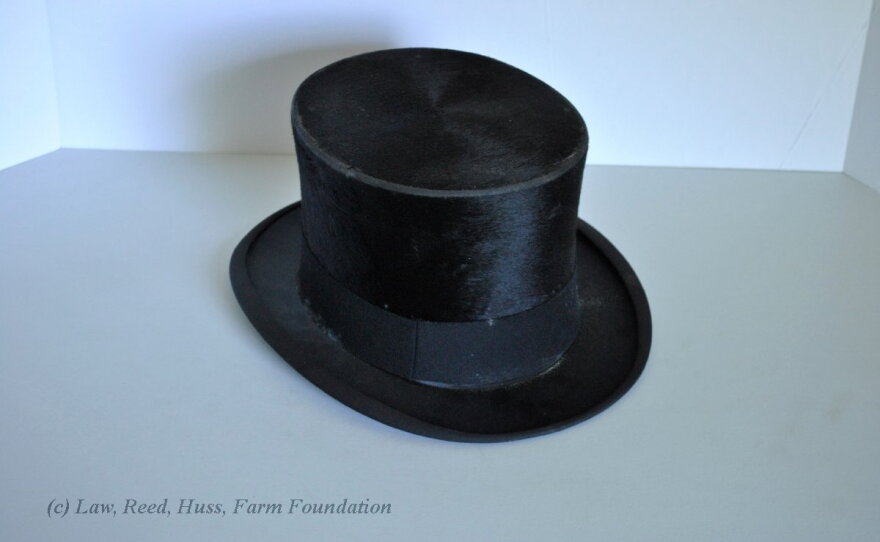
A few years ago, the farm worked with a historian to photograph and digitally archive more than 10,000 original items like these. Huss says they came upon some interesting finds.
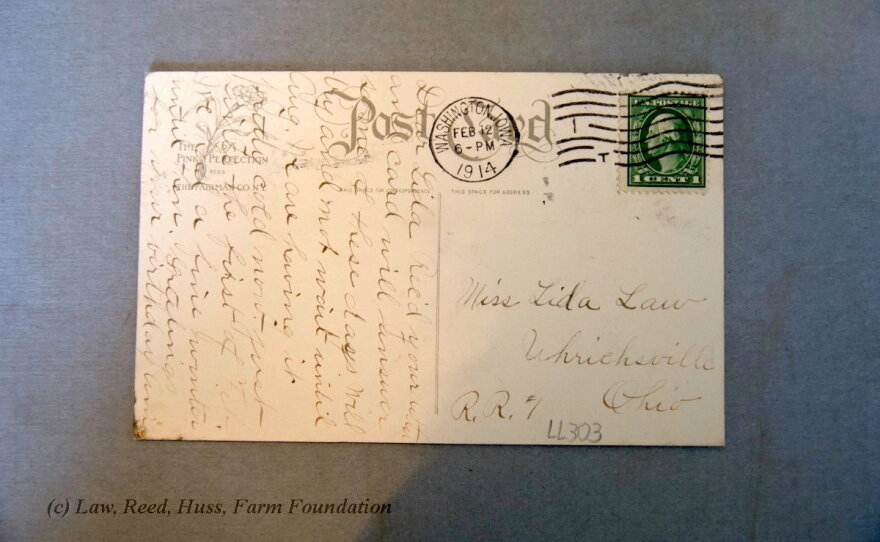
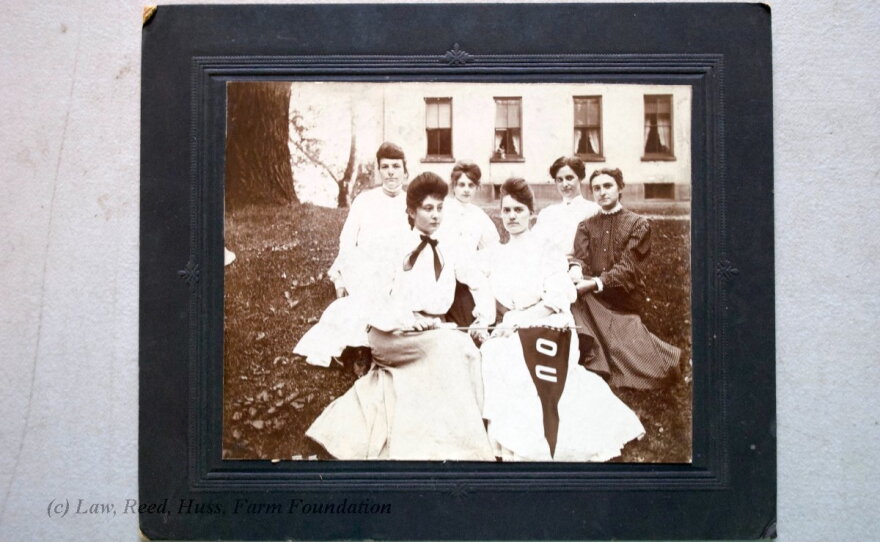
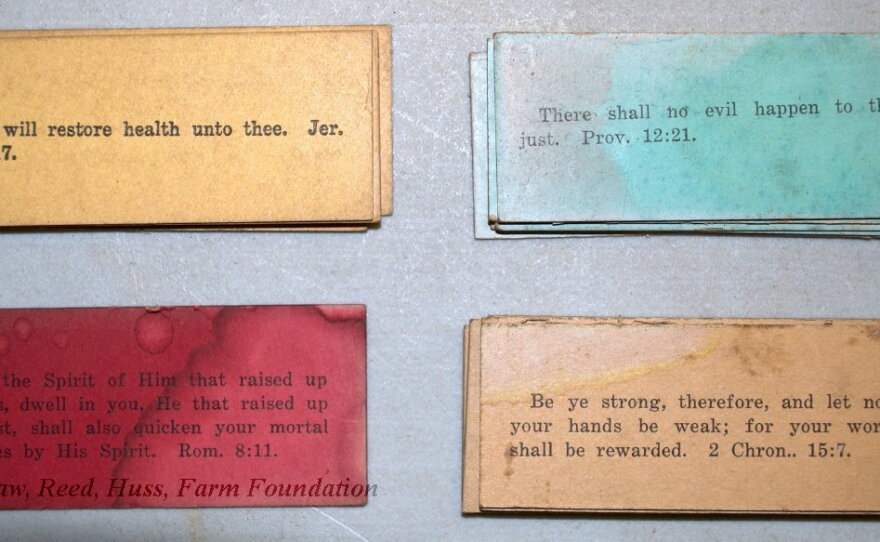
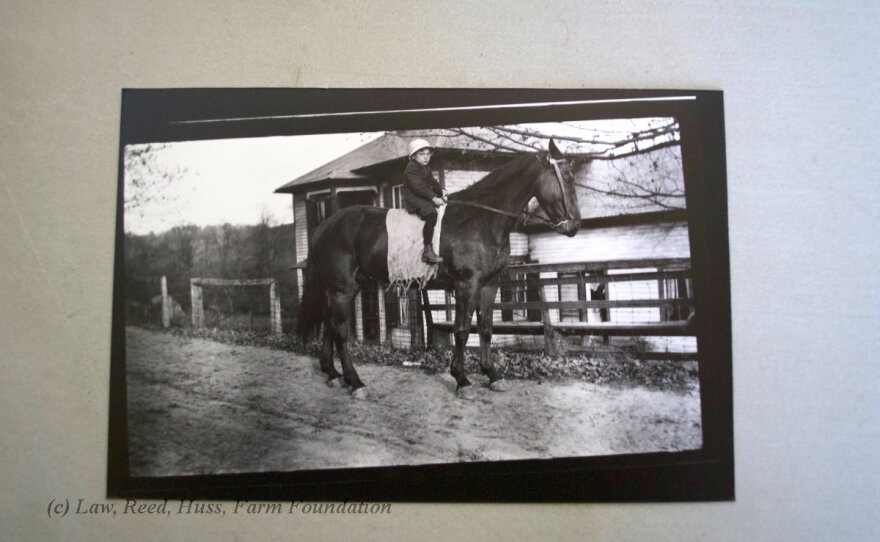
“My great-great-grandfather Henry Law that I mentioned, we have his immigration papers from 1837, which were original papers,” he said.
In a newspaper from 1859, Abraham Lincoln makes the case for why he should be elected president. An invitation decades later requests the presence of Huss’s great aunt at Franklin Delano Roosevelt’s inauguration.
Preserving history for generations to come
Century-old artifacts like these make the farm a treasure trove, Carr says.

“Ohio's very valuable for a lot of historic sites. We have the only revolutionary fort, Fort Lawrence, here in Ohio,” she said. “We have Marietta and all these really valuable sites that tell our 18th century history and very few sites that really tell the 19th century history, which was when Ohio got its boom and really grew."
She and Huss envision this historic home as a living history museum, where people can experience what life was like for everyday Ohioans of generations past. Now, they’re working to ensure this collection is preserved for generations to come.
“My main goal is to make sure nothing gets lost, nothing gets destroyed, that 100 years from now somebody can still go and find the things that we've been finding now,” Huss said.


